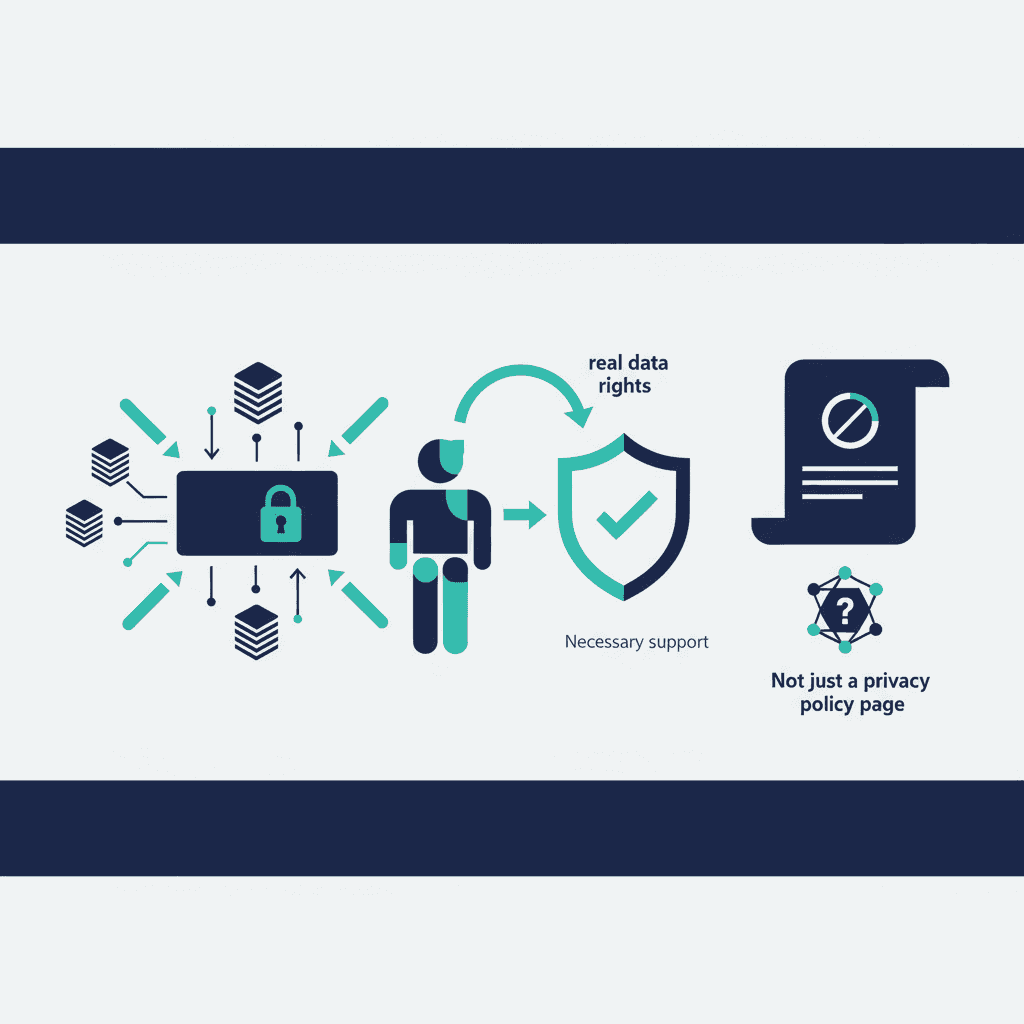
CCPA (the California Consumer Privacy Act, as amended by CPRA) doesn't apply to every US business — but if it applies to yours, your CRM needs to support real, functioning data rights, not just a privacy policy page that describes them.
This is one of the regions we cover in CRM and Website Compliance by Region — selling into Europe too? See GDPR compliance for your CRM. This is a practical overview from a CRM and website consulting perspective, not legal advice — confirm specifics with a qualified privacy lawyer for your situation.
Who CCPA actually applies to
CCPA applies to for-profit businesses that meet specific thresholds — currently including annual gross revenue over $25 million, handling personal data for a large volume of California consumers or households, or deriving a majority of revenue from selling personal information. Many small businesses fall below these thresholds entirely. Check the current thresholds directly rather than assuming, since they're periodically revised, and note that several other states now have their own similar laws with different thresholds — Virginia, Colorado, and Connecticut among them, each with its own specific requirements that can differ from CCPA's in the details.
What a CRM needs to support
If CCPA applies to you, customers have the right to know what data you hold on them, request its deletion, and opt out of having their data sold or shared with third parties. In practice, this means your CRM needs to let you locate every record tied to a specific person quickly, export or delete that data on request, and track opt-out preferences so they're actually respected in ongoing marketing and data-sharing.
Building the actual request-handling workflow
Beyond the CRM's technical capability, you need a defined process: a dedicated inbox or form for privacy requests (not just "whoever reads the general contact email"), a verification step to confirm the requester is actually who they claim to be, a documented timeline for response (CCPA specifies response windows that vary by request type), and a log of requests handled — both to demonstrate compliance and to catch patterns (a spike in deletion requests after a specific marketing campaign, for example, is worth investigating on its own).
The most common gap
Having the technical capability in the CRM but no actual process for handling a real request. A CRM that can delete a record doesn't help if nobody knows what to do when a deletion request email arrives, or how long you have to respond. Build the process — who receives the request, how it's verified, how it's actioned, how it's logged — before you need it under time pressure.
The honest recommendation
Confirm whether CCPA (or a similar state law) actually applies to your business first — many small businesses genuinely don't meet the thresholds. If it does, or if you're planning to grow into it, build the request-handling process now while the volume of requests is low, rather than scrambling to build it under a compliance deadline with a backlog of demands already in the queue.
Frequently asked questions
Does CCPA apply to every US small business?
No — it applies to for-profit businesses meeting specific thresholds (currently including annual gross revenue over $25 million, or handling personal data for a large number of California consumers/households, or deriving a majority of revenue from selling personal data). Many small businesses fall below these thresholds, but check the current thresholds directly, as they're periodically updated.
What does a CRM need to support for CCPA compliance?
The ability to locate, export, and delete a specific person's data on request, and to honor opt-outs from having their data sold or shared — most modern CRMs support this natively, but the process needs to actually be tested, not just assumed to exist.
Is this legal advice?
This is a practical overview from a CRM and website consulting perspective, not legal advice — confirm specifics with a qualified privacy lawyer for your situation.
Yash
Founder & Principal Consultant, Ynexgen
Yash leads Ynexgen, helping small and mid-sized businesses turn technology into a stronger foundation for growth — 7+ years across Salesforce CRM, websites, and AI adoption.