Most CRMs are built around a sales rep working a handful of deals through a pipeline. E-commerce is the opposite problem: thousands of small, fast, mostly self-service transactions with no sales rep involved in most of them. A generic CRM configuration doesn't fit that shape — the same is true, differently, for real estate lead tracking and professional services.
What actually matters for e-commerce
Purchase history and segmentation, not pipeline stages. There's no "deal" moving through stages in a typical e-commerce purchase — there's a completed transaction. What the CRM should do well is segment customers by purchase behavior (first-time buyers, repeat customers, high-value customers, lapsed customers) so marketing can target each group differently.
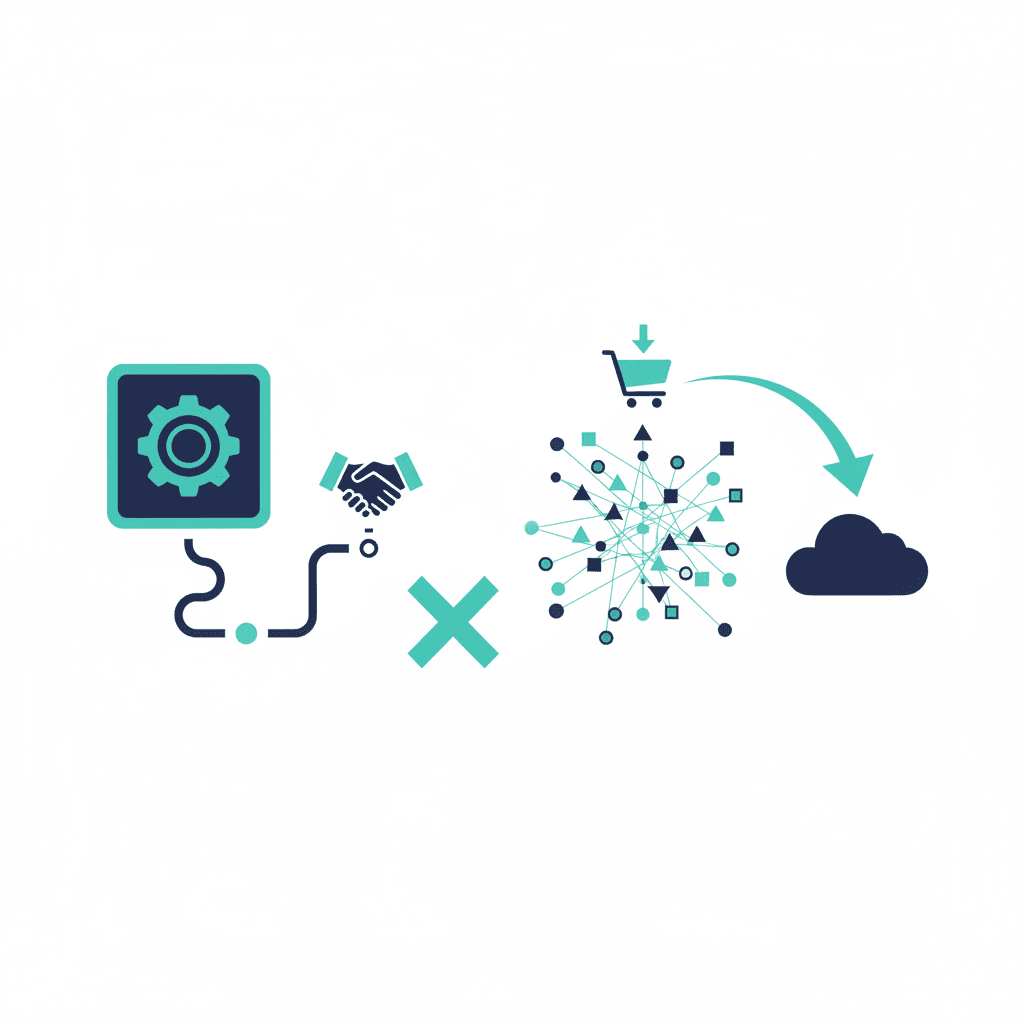
Repeat-purchase triggers. A customer who bought a consumable product 45 days ago is a good candidate for a reorder reminder. This kind of behavior-triggered automation — not manual sales follow-up — is where a CRM adds real value in e-commerce, and it requires purchase data actually flowing into the CRM from your storefront platform.
Support history feeding into marketing decisions. A customer with three unresolved support tickets shouldn't get the same aggressive upsell email as a happy repeat buyer. E-commerce CRMs that keep support and marketing/sales data separate miss an obvious signal that's sitting right there in the support history.
B2B/wholesale relationships, if you have them. Many e-commerce businesses also have a wholesale or B2B side that looks more like a traditional sales pipeline. If that's part of your business, that side genuinely does need pipeline-style CRM tracking — it's the direct-to-consumer side that doesn't.
What to actually configure
- Sync order/purchase data from your storefront platform into the CRM (Shopify, WooCommerce, etc. — most have native or app-based CRM integrations)
- Build 3-4 customer segments based on purchase recency/frequency, and set up basic automated triggers for each
- Connect support ticket status to the customer record so it's visible before sending marketing communication
- Keep any B2B/wholesale pipeline in a separate view or process from consumer purchase tracking
The most common mistake
Manually entering e-commerce customers into a CRM one at a time, the way you'd log a sales lead. At e-commerce volume, this either doesn't happen consistently or consumes time that should go toward the automation setup that actually pays off. Integration, not manual entry, is the right investment.
The honest recommendation
Prioritize the storefront-to-CRM data sync and 2-3 well-built automated triggers over comprehensive manual tracking. E-commerce CRM value comes from automation working at volume, not from detailed manual records on individual customers. For the fundamentals this builds on, see What Is CRM and Why Every Small Business Needs One.
Frequently asked questions
Does an e-commerce business even need a CRM?
Beyond basic order data (usually already in the storefront platform), a CRM adds value for repeat-purchase marketing, customer support history, and B2B/wholesale relationships that a storefront platform alone doesn't manage well.
What's different about e-commerce CRM needs vs a typical sales CRM?
Volume and speed — thousands of small, fast transactions instead of a handful of large deals with a human sales rep — so the CRM needs automation and segmentation more than manual pipeline tracking.
Should I connect my CRM to my storefront platform?
Yes, generally — order and purchase history synced into the CRM is what makes repeat-purchase automation and customer support context possible; without that sync, the CRM is working from incomplete information.
Yash
Founder & Principal Consultant, Ynexgen
Yash leads Ynexgen, helping small and mid-sized businesses turn technology into a stronger foundation for growth — 7+ years across Salesforce CRM, websites, and AI adoption.