Publish a new page and wait for search engines to find it — that's the default model most sites run on, and it explains why new content can sit unindexed for days or weeks before it ever shows up in search results. (Technical SEO like this is part of what you're paying for in how much a website costs.)
How discovery normally works
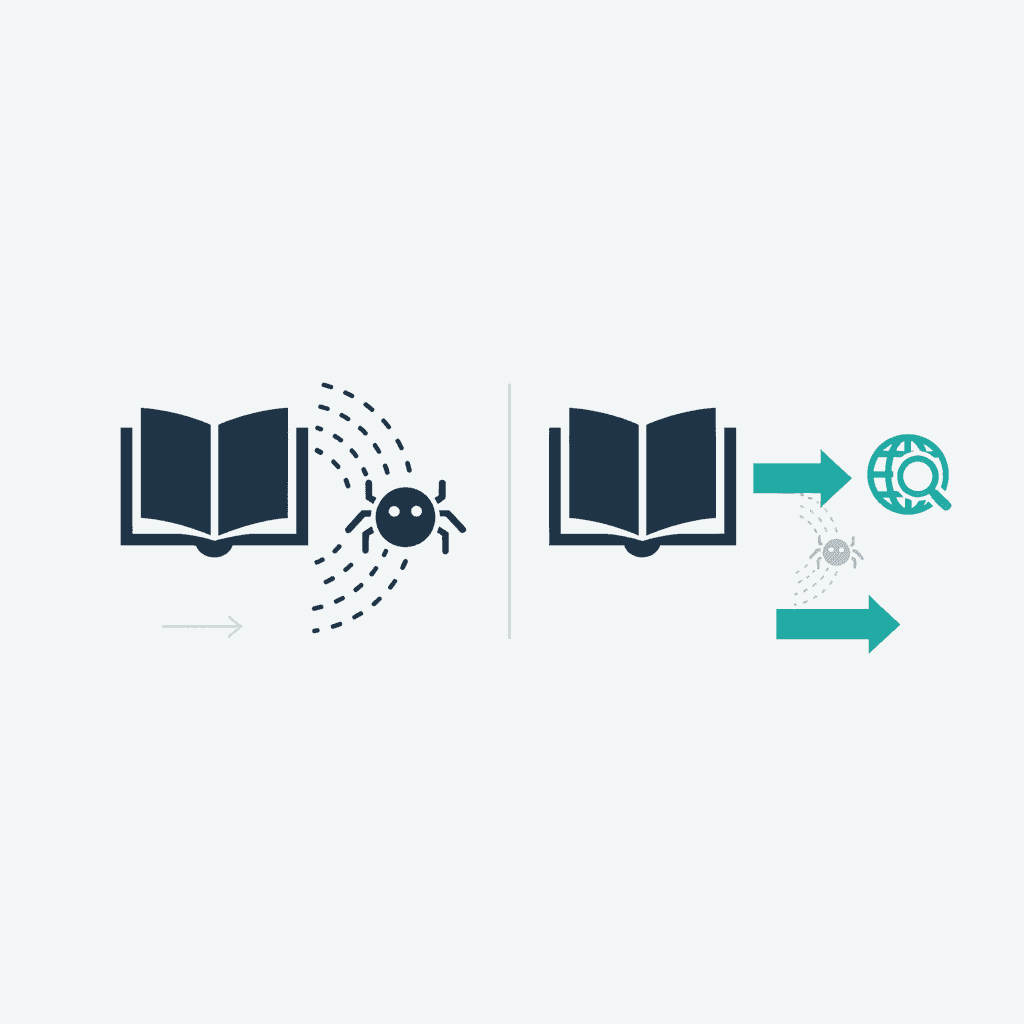
Search engines run automated crawlers that periodically revisit sites, follow links, and check sitemaps for new or updated pages. How often a given site gets crawled depends on factors like its authority, how frequently it publishes, and how many other sites link to it. A well-established site with high authority might get crawled within hours of publishing something new; a newer or smaller site might wait days or weeks for the same crawler visit.
The two most reliable levers for faster discovery, regardless of engine: an accurate, up-to-date XML sitemap (tells crawlers exactly what exists and when it last changed) and solid internal linking (a new page linked from an established, frequently-crawled page gets discovered faster than an orphaned one).
What IndexNow actually does differently
IndexNow is a protocol that flips the model: instead of waiting for a crawler to happen by, a site can directly notify participating search engines the moment a page is published or updated, via a simple API call. The engine can then choose to crawl that specific URL sooner, rather than waiting for its next scheduled visit to the site.
The important caveat: IndexNow is consumed by Bing and Yandex, not Google. Google runs its own crawling infrastructure and doesn't participate in the IndexNow protocol — for Google specifically, a correct sitemap and strong internal linking remain the primary levers, alongside general site authority and crawl budget factors outside a small site's direct control.
Why this matters for a newer site
A brand-new site with limited authority is exactly the case where the default "wait for the crawler" model is slowest — there's no established crawl pattern yet, and low authority means a lower crawl priority generally. This is also exactly the situation where every available lever (sitemap accuracy, internal linking, IndexNow pings for the engines that support it) has the most relative impact, because there's so little existing signal to compete with.
The most common mistake
Assuming any single technique (like IndexNow, or submitting a URL manually in Search Console) is a complete solution to indexing speed. Each addresses a different piece: IndexNow speeds up Bing/Yandex specifically, a sitemap helps every engine discover what exists, and internal linking signals importance and relevance. None of them substitutes for the others.
The honest recommendation
Maintain an accurate sitemap and deliberate internal linking as the foundation — they benefit every search engine, including Google. Layer IndexNow on top if your site publishes or updates content regularly, since it costs almost nothing to implement and captures Bing/Yandex traffic that a sitemap-only approach would otherwise wait longer for. None of this matters if the page itself is slow to render once discovered — see What Are Core Web Vitals?.
Discovery is step one — what to actually publish is the bigger lever: what an SEO content strategy is, in plain English.
Frequently asked questions
How long does it normally take Google to index a new page?
It varies widely — anywhere from a few hours to several weeks, depending on the site's crawl frequency, authority, and how the new page was discovered (sitemap, internal link, or external link).
Does IndexNow work with Google?
No — IndexNow is consumed by Bing and Yandex, not Google, which uses its own separate crawling and (for specific content types) a limited Indexing API. A sitemap and good internal linking remain the primary levers for Google specifically.
Do I need to do anything technical to benefit from faster indexing?
A correct, up-to-date XML sitemap and solid internal linking between pages are the two highest-leverage, non-technical things any site owner can maintain — IndexNow adds an additional signal on top for the engines that support it.
Yash
Founder & Principal Consultant, Ynexgen
Yash leads Ynexgen, helping small and mid-sized businesses turn technology into a stronger foundation for growth — 7+ years across Salesforce CRM, websites, and AI adoption.