A Salesforce org health check is a structured audit of your setup — data quality, security, automation, adoption, licensing and technical debt. As a standalone paid engagement it typically costs $1,500–$5,000, and many partners run a lighter version free as lead generation. Here's what a real one covers, and how to tell a genuine audit from a sales pitch dressed up as one. (Not yet implemented? See how long Salesforce implementation actually takes first.)
What a health check actually covers
A credible audit works through six areas:
- Data quality — duplicates, incomplete records, stale data, and whether your reports can be trusted.
- Security & access — profiles, permission sets, sharing rules, and who can see what they shouldn't.
- Automation — flows, validation rules and any Apex: what's firing, what's failing silently, what's redundant.
- Adoption — are people actually using the org, or working around it? (The most common reason CRMs fail is adoption, not technology.)
- Licensing & cost — are you paying for features and seats you don't use?
- Technical debt — undocumented customizations and dead configuration, especially in an org you inherited.
Free vs paid — what's the difference?
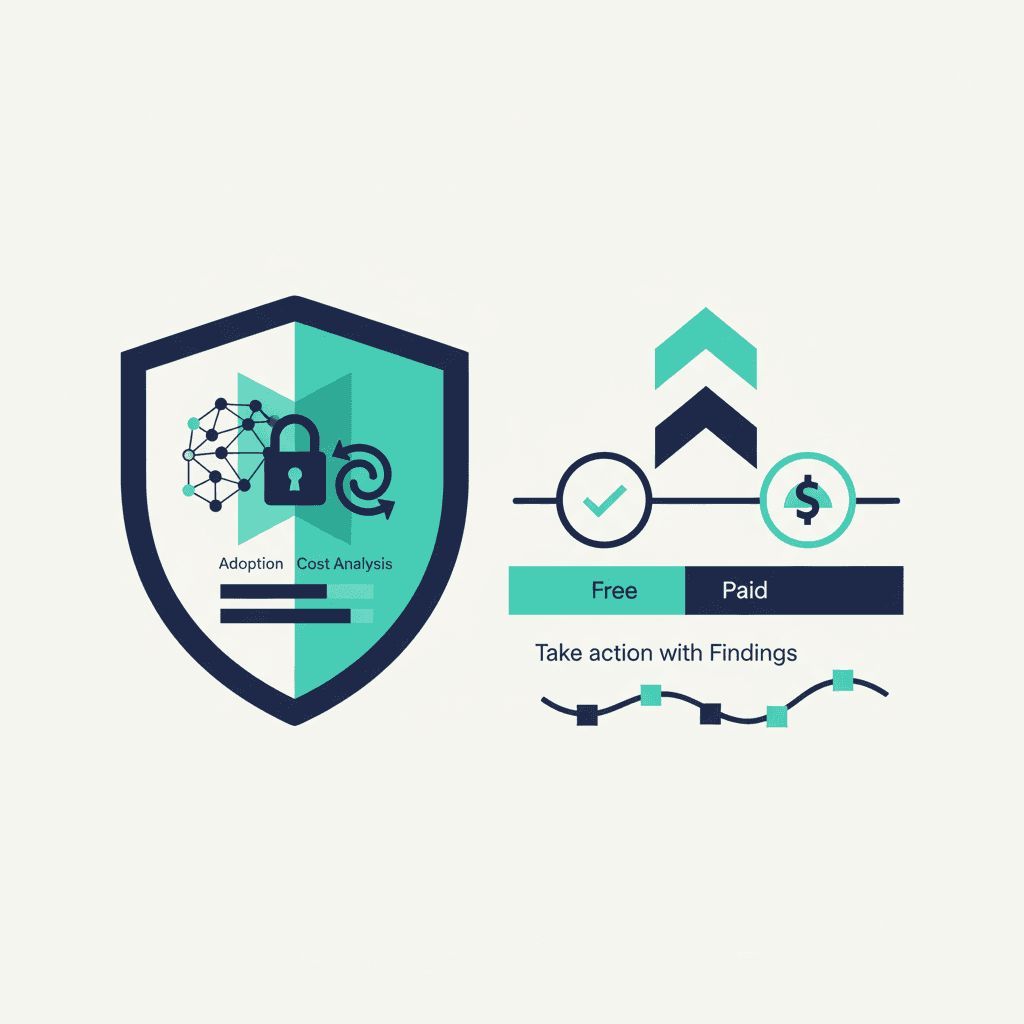
A free health check is usually a scan plus a sales conversation: useful, but scoped to surface problems a partner can then quote to fix. A paid audit ($1,500–$5,000) is deeper and vendor-neutral: you get a written report you own, prioritized findings, and a remediation roadmap you can hand to anyone. If you just want to know where you stand, start with a free one; if you're deciding whether to rebuild or rescue a bad implementation, pay for the deeper read.
What you should get out of it
A real health check ends with a document, not a demo: a scored summary by area, a ranked list of issues (severity × effort), and a clear next step for each. If the "audit" is only a slide deck steering you to one product, it's a pitch.
When to run one
Run a health check when adoption is slipping, when you've inherited an org, before a major project (a migration, or Agentforce), or simply once a year as hygiene. Data cleanup found here is also the prerequisite for AI — your data won't be ready for Agentforce without it.
What happens after
Findings become a remediation plan. For most SMBs the efficient way to work through it is a fractional Salesforce admin on a monthly retainer rather than a big-bang project. A health check plus ongoing optimization is exactly what our Salesforce consulting practice does — and if your bill feels high, the audit usually pays for itself in licensing you can cut.
Already have a report in hand? How to read a Salesforce org assessment report breaks down what each section means and which findings to act on first.
Frequently asked questions
How much does a Salesforce health check cost?
A standalone paid Salesforce org health check typically costs $1,500–$5,000, depending on org size and depth. Many partners also offer a lighter version free as lead generation — useful for surfacing problems, though a paid audit gives you a deeper, vendor-neutral written report you own.
What does a Salesforce health check include?
A credible audit reviews six areas: data quality (duplicates, stale records), security and access, automation (flows, rules, Apex), user adoption, licensing and cost, and technical debt. It should end with a scored report and a prioritized remediation roadmap — not just a sales demo.
How often should I run a Salesforce health check?
Run one when adoption slips, when you inherit an org, before a major project or AI rollout, or once a year as routine hygiene. Data cleanup found in a health check is also a prerequisite for AI features like Agentforce.
Yash
Founder & Principal Consultant, Ynexgen
Yash leads Ynexgen, helping small and mid-sized businesses turn technology into a stronger foundation for growth — 7+ years across Salesforce CRM, websites, and AI adoption.