Restaurant owners debate this constantly: is a website even worth it anymore, or does a Google Business Profile handle everything a diner needs? The honest answer is you need both, but your website's job is narrower than you'd think — and skipping it costs you real money through delivery app commissions, not just visibility.
What a Google Business Profile already covers
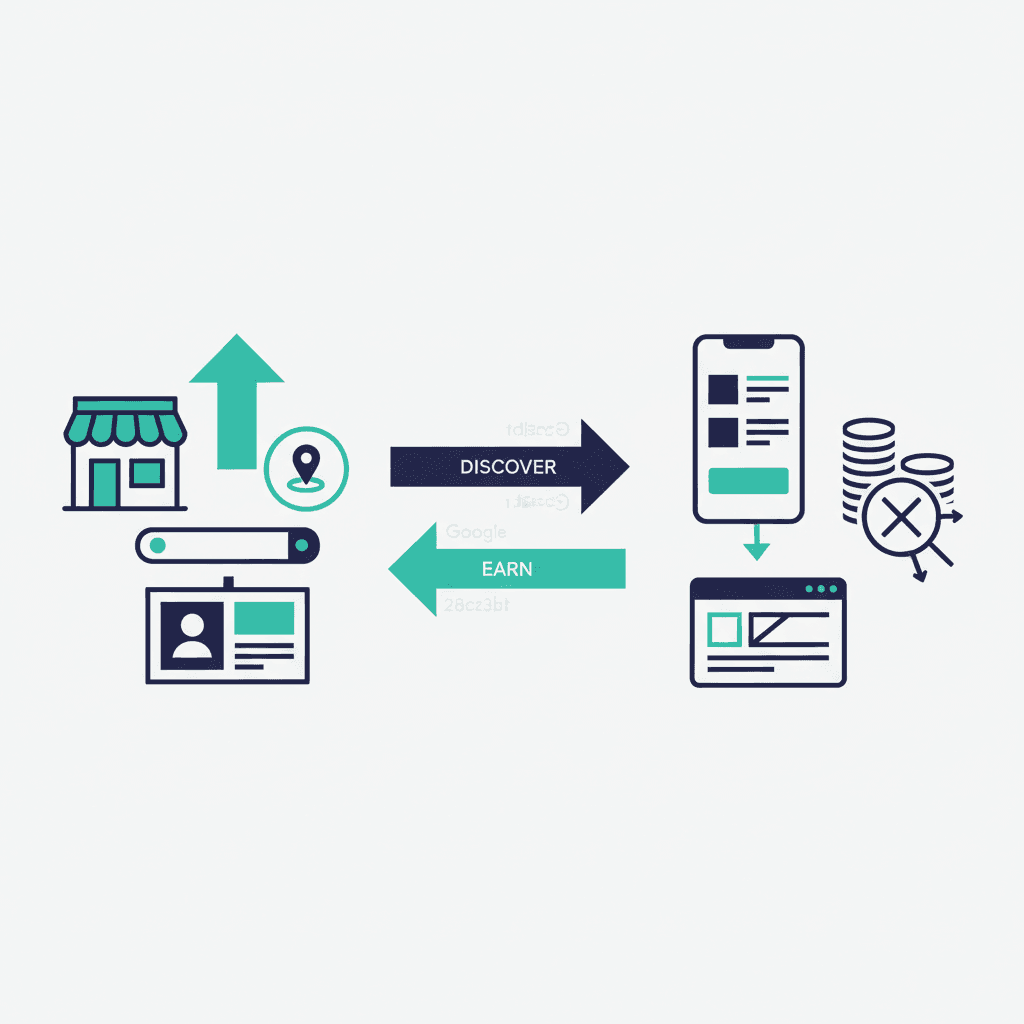
Hours, location, photos, your menu (Google lets you add one directly), reviews, and an "order online" button that can link straight to a delivery platform — all free, and it's genuinely where most local searches ("restaurants near me," "[cuisine] near me") get answered before anyone reaches a website at all. If your profile is accurate and has real reviews, a lot of the discovery job is already done. See our Google Business Profile guide if you haven't set yours up properly yet.
Where a website still earns its cost: keeping your own margin
Here's the part the "do I even need a website" debate usually misses. Third-party delivery apps take a real cut of every order, and the rate depends on the plan tier:
- DoorDash: 15% (Basic), 25% (Plus), or 30% (Premier) commission on delivery orders; a flat 6% on pickup orders across all tiers.
- Uber Eats: 20% (Lite), 25% (Plus), or 30% (Premium) on delivery; 7–10% on pickup.
- Grubhub: a marketing commission starting around 5% and running up to roughly 20% depending on plan, plus an additional 10% if you use Grubhub's own delivery drivers.
A restaurant doing meaningful delivery volume through third-party apps alone is giving up a fifth to a third of every order's revenue. A website with a direct online-ordering link — even one that just embeds a lower-fee ordering widget — is the one channel where you keep the difference. This is the real financial case for a website that "just Google Maps" can't make, because Google doesn't process the order.
What the Reddit complaint about restaurant websites gets right
A widely shared thread called most restaurant websites "some of the worst on the internet" — and the specific complaints are worth taking seriously: autoplay background music or video, PDF-only menus that are unreadable on a phone, Flash-style animated intros nobody asked for, and no visible link to actually order. None of that is a website "being worth it or not" — it's a website built for a design portfolio instead of a hungry person on their phone.
What a restaurant website actually needs
- A real, mobile-formatted menu — not a scanned PDF. Most visits happen on a phone, often from someone standing outside or deciding where to go right now.
- A direct, prominent link to order — whichever platform you use to fulfill orders, the link should be one tap from the homepage, not buried in a submenu.
- Hours and location that match your Google Business Profile exactly — mismatched hours between your site and your listing is a common, avoidable source of "closed when the website said open" complaints.
- No autoplay anything. This one shows up in complaint after complaint for a reason.
- Real photos of the food and space, not stock imagery — this is often the single biggest driver of whether someone clicks through to actually order.
What it should cost
A lean, ordering-focused restaurant site — a real mobile menu, hours, photos, and a prominent order link — runs roughly $800–$2,500 built by a freelancer or small studio, or less if you're layering it onto a platform that already includes a basic site with your ordering system. A fuller custom build with catering inquiries, events, multiple locations, or a loyalty program integration runs $3,000–$8,000+. Either way, the return case is concrete: if a website with a direct-order link shifts even a modest share of your delivery-app volume to direct orders, the commission you keep pays for the site quickly.
If you want a straight opinion on whether your current site is actually costing you direct-order revenue, or want one built around getting people from "found you on Google" to "ordered directly," that's a free conversation with our website development team.
Website cost guides for other industries
- Law firm websites
- Realtor websites & IDX fees
- Nonprofit websites
- Chiropractor websites vs. Google Maps
- Etsy vs. your own website
- Tradesperson websites (electricians, HVAC, plumbers)
- Dental practice websites
- Therapist websites (HIPAA-aware)
- Mobile detailing websites vs. Google Business Profile
- Roofing company websites
- Home inspector websites
- Bookkeeper & accountant websites
- Landscaping & lawn care websites
- Wedding vendor websites (photographers, planners)
- Moving company websites
Or see the general website cost breakdown that applies across all of them.
Frequently asked questions
Do restaurants need a website if they have a Google Business Profile?
Yes, for one specific reason beyond visibility: a website with a direct online-ordering link lets you avoid paying delivery-app commissions (15-30% at DoorDash, 20-30% at Uber Eats) on orders that go through your own site instead. Google Business Profile handles discovery; it doesn't process orders.
How much commission do delivery apps actually take?
DoorDash charges 15%, 25%, or 30% depending on plan tier (6% flat on pickup); Uber Eats charges 20%, 25%, or 30% (7-10% on pickup); Grubhub's marketing commission runs roughly 5% to 20% depending on plan, plus 10% more if you use their delivery drivers. Rates vary meaningfully by which tier a restaurant signs up for.
What should a restaurant website actually include?
A real mobile-formatted menu (not a PDF), a prominent direct link to order, hours and location matching your Google Business Profile exactly, real photos of food and space, and no autoplay music or video — a complaint that comes up constantly about restaurant websites specifically.
How much should a restaurant website cost?
A lean, ordering-focused site typically runs $800-$2,500. A fuller build with catering, events, multiple locations, or loyalty integration runs $3,000-$8,000+. The commission saved by shifting even some delivery volume to direct orders often pays this back quickly.
Yash
Founder & Principal Consultant, Ynexgen
Yash leads Ynexgen, helping small and mid-sized businesses turn technology into a stronger foundation for growth — 7+ years across Salesforce CRM, websites, and AI adoption.