Yes — running Salesforce as your system of record and HubSpot as your marketing engine is a real, well-established pattern, and for some nonprofits it's the right one. It's also more expensive and more fragile than running either alone, so it needs to be a deliberate choice rather than something you drift into because two departments each bought their own tool.
Still deciding on the Salesforce side first? The free NPSP → Nonprofit Cloud readiness check scores your org in six questions — an honest verdict, no signup.
What the hybrid setup actually is
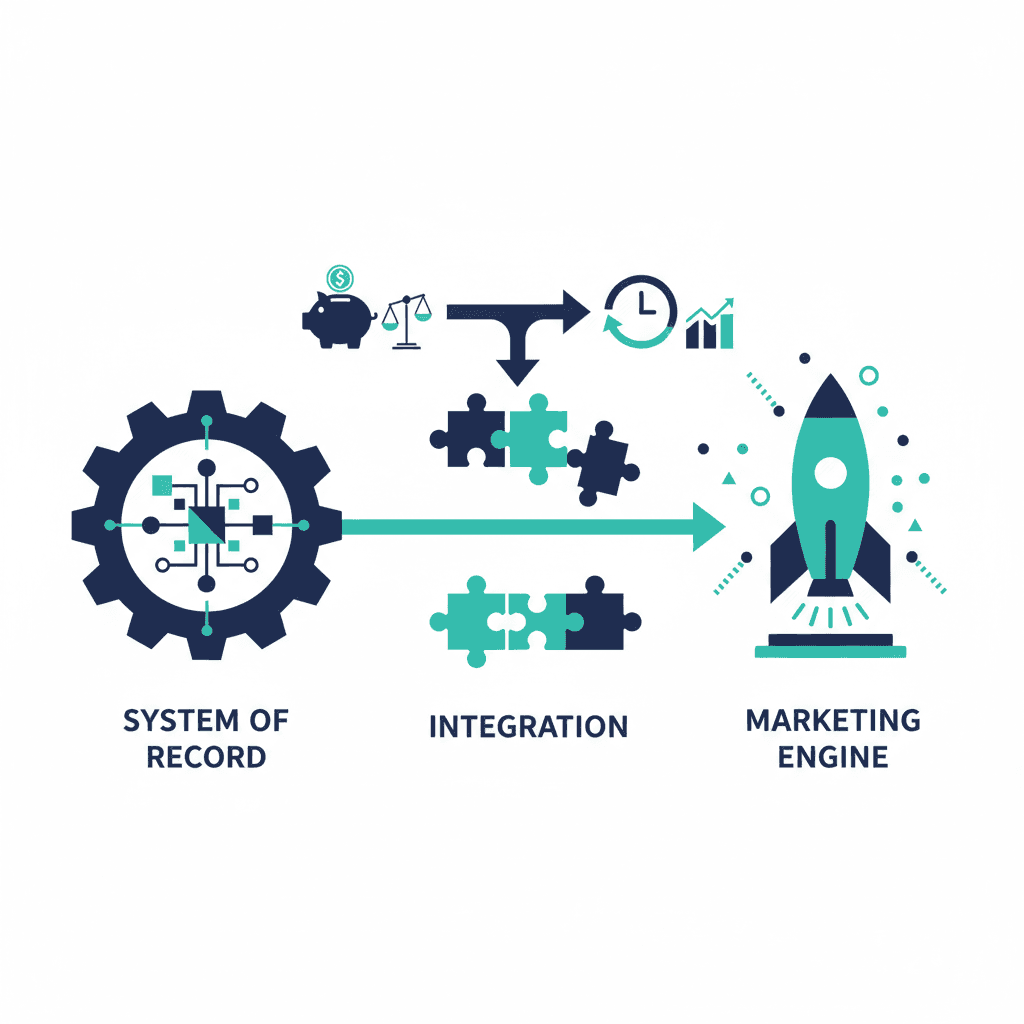
Salesforce holds the constituent record: donations, gift history, program participation, grants. HubSpot handles outbound marketing: email campaigns, landing pages, forms, lists, automation. The two sync, so a donation recorded in Salesforce can trigger or suppress a HubSpot campaign, and an email engagement in HubSpot is visible against the donor record.
The appeal is straightforward. Salesforce's nonprofit data model — whether you're on NPSP or Nonprofit Cloud — is genuinely deeper for fundraising and program data than HubSpot's. HubSpot's marketing tooling is genuinely easier for a small comms team to use than Salesforce's. Running both means neither team is fighting a tool built for the other's job.
When it makes sense
- You already have Salesforce, and your comms team can't use it. This is the most common honest reason. If your marketing person is exporting CSVs to Mailchimp every week, a proper marketing platform that syncs back is a real improvement.
- Marketing volume justifies dedicated tooling. Regular multi-segment campaigns, landing pages, nurture sequences. If you send four appeals a year, you do not need this.
- You have someone who owns the integration. Not "someone who'll look at it" — someone accountable for field mappings and sync errors.
When it doesn't
- You're a small org with one system and one person. Two platforms means two subscriptions, two admin surfaces, and a sync layer between them. That overhead lands on the same person either way.
- You're using it to avoid a Salesforce problem. If Salesforce is unusable because it was configured badly, bolting HubSpot alongside doesn't fix that — you now have a badly-configured Salesforce and a sync dependency. Fix the org itself first.
- You're mid-migration. Adding a second platform during an NPSP to Nonprofit Cloud migration means re-pointing the integration at a changed data model partway through. Sequence them.
The part nobody warns you about: the sync is a project
The integration is well-trodden and documented, but "supported" is not "automatic." What actually consumes time:
- Deciding which system owns which field. If both can write to a constituent's email address, you need a rule for which wins, or they'll overwrite each other.
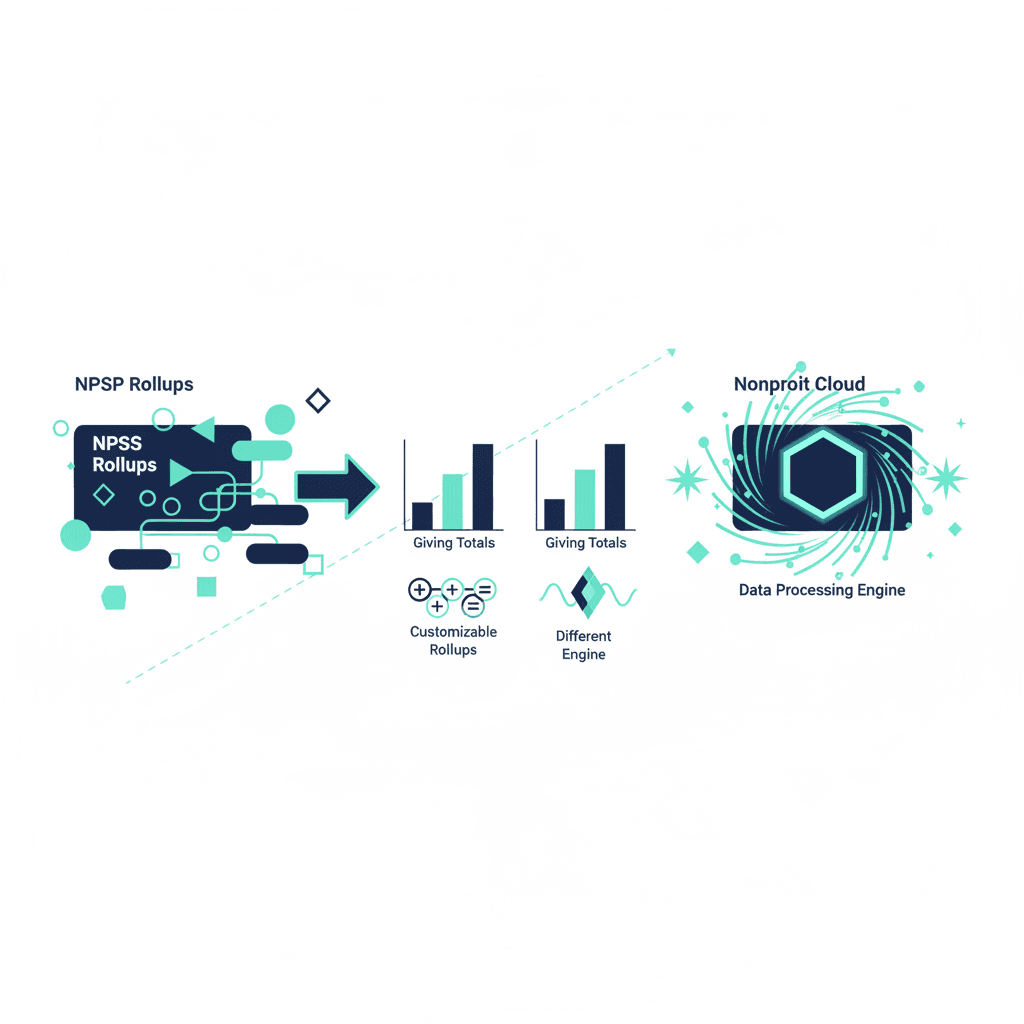
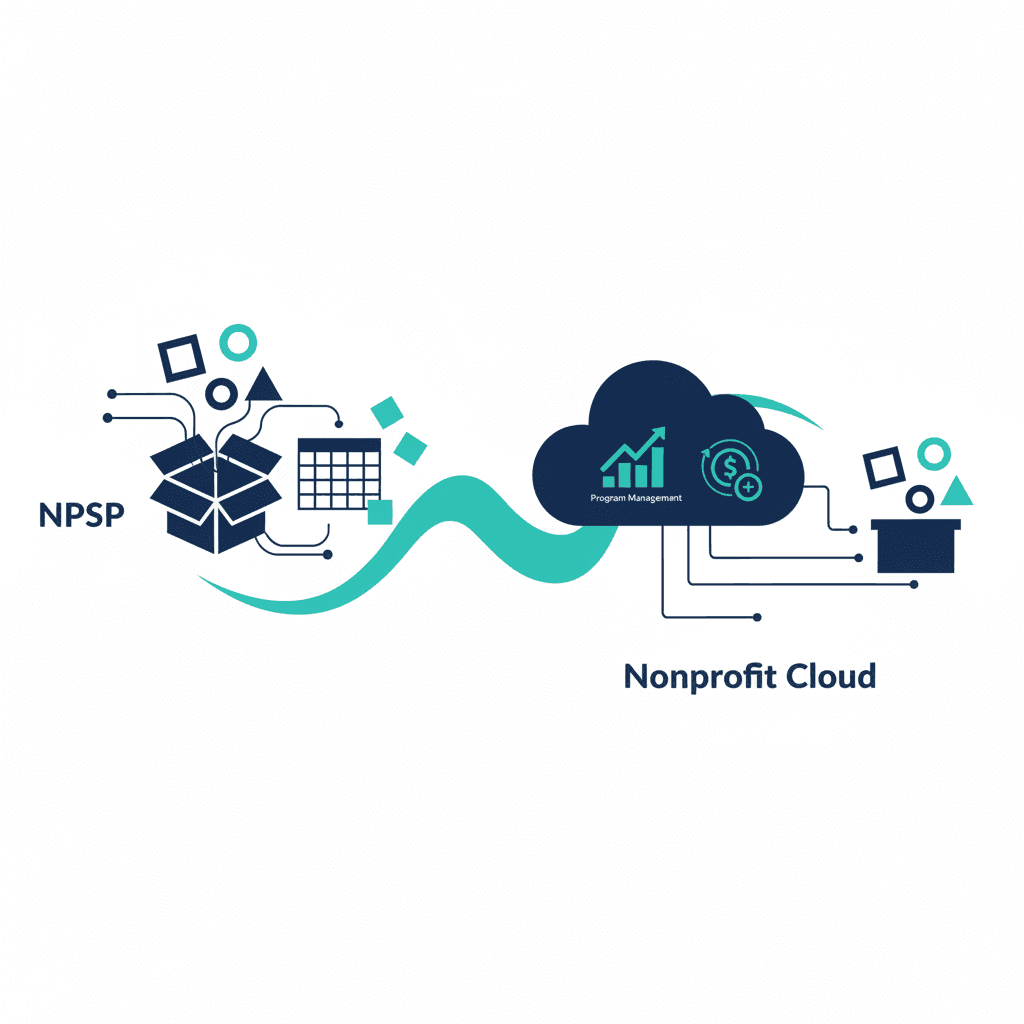
- Mapping to nonprofit-specific objects. HubSpot's model is built around contacts, companies and deals. Nonprofit Cloud's is built around Person Accounts, Gift Commitments and program engagement. Those don't line up one-to-one, and the gaps are where sync problems live.
- Deciding what not to sync. Syncing everything is the default instinct and usually wrong — it doubles your data surface and pulls fundraising detail into a marketing tool that doesn't need it.
The honest cost picture
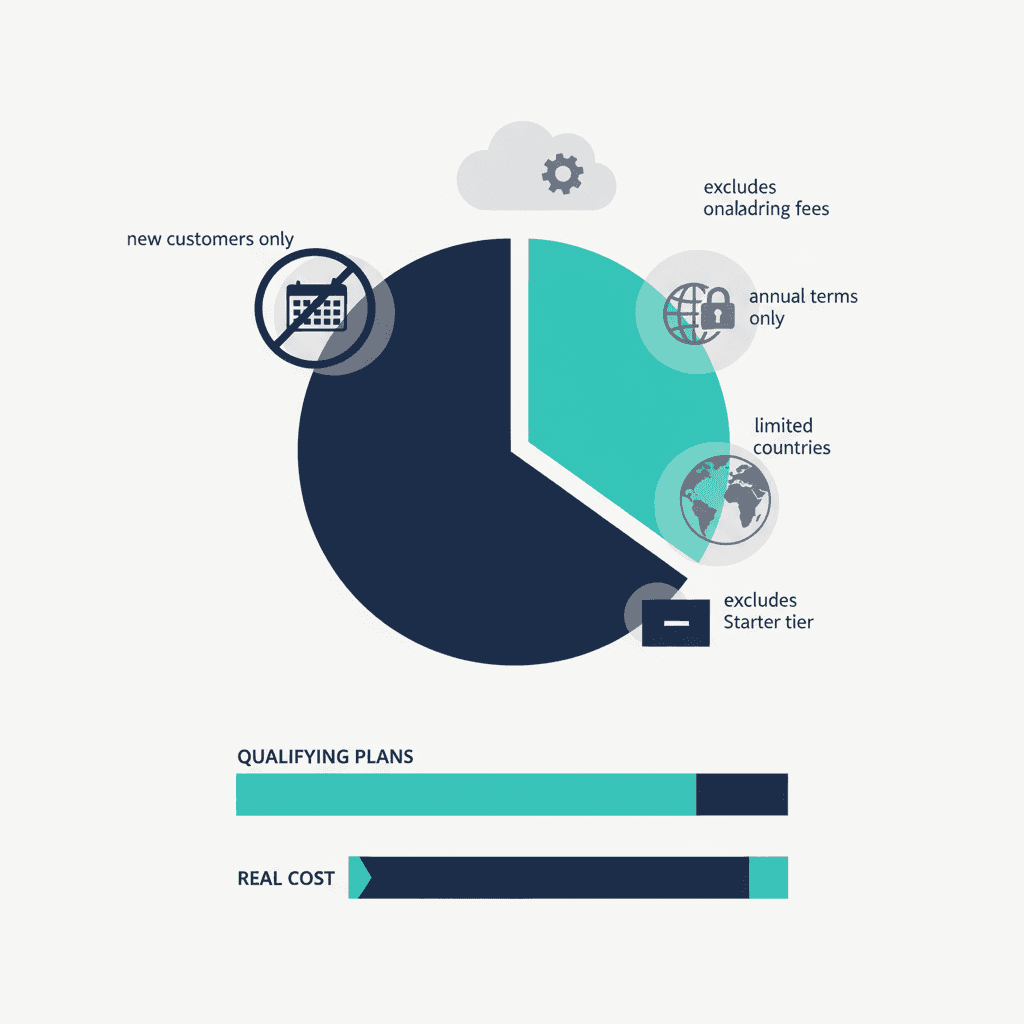
You're paying for two platforms. HubSpot's nonprofit discount takes 40% off paid plans if you qualify, which helps but doesn't make it free — and it excludes the Starter tier, so the discount applies where the spend is already meaningful. Add integration setup, and ongoing time to maintain it.
That's worth it when marketing is a real function at your organization. It's overhead when it isn't. The question isn't which tool is better — it's whether you have enough marketing operation to justify a dedicated marketing platform at all.
If you want a straight read on whether the hybrid fits your setup, or whether you'd get more from fixing what you already run, a free consultation is the fastest way to get one.
Frequently asked questions
Can HubSpot and Salesforce work together for a nonprofit?
Yes. The common pattern is Salesforce as the system of record for donations, program and grant data, with HubSpot handling marketing — email campaigns, landing pages, forms and automation — and the two syncing so donation activity can drive or suppress campaigns. It's a documented, widely-run setup. The question is whether your organisation has enough marketing operation to justify a second platform.
Is it better to just use one system?
For most small nonprofits, yes. Two platforms means two subscriptions, two admin surfaces and a sync layer to maintain, and that overhead usually lands on the same one or two people. The hybrid earns its keep when marketing is a genuine ongoing function — regular segmented campaigns, nurture sequences, landing pages — not when you send a handful of appeals a year.
What's the hardest part of a HubSpot–Salesforce integration for a nonprofit?
Field ownership and object mapping. You need explicit rules for which system wins when both can write the same field, or they'll overwrite each other. And HubSpot's contacts/companies/deals model doesn't map one-to-one onto Nonprofit Cloud's Person Accounts, Gift Commitments and program engagement — those gaps are where most sync problems originate.
Should we set this up during an NPSP to Nonprofit Cloud migration?
Generally no — sequence them. Adding HubSpot mid-migration means re-pointing the integration at a data model that's actively changing, which turns one project into two overlapping ones. Finish the migration, let the new model settle, then integrate.
Yash
Founder & Principal Consultant, Ynexgen
Yash leads Ynexgen, helping small and mid-sized businesses turn technology into a stronger foundation for growth — 7+ years across Salesforce CRM, websites, and AI adoption.